Orbit Finance
Know if you'll have enough before you don't.
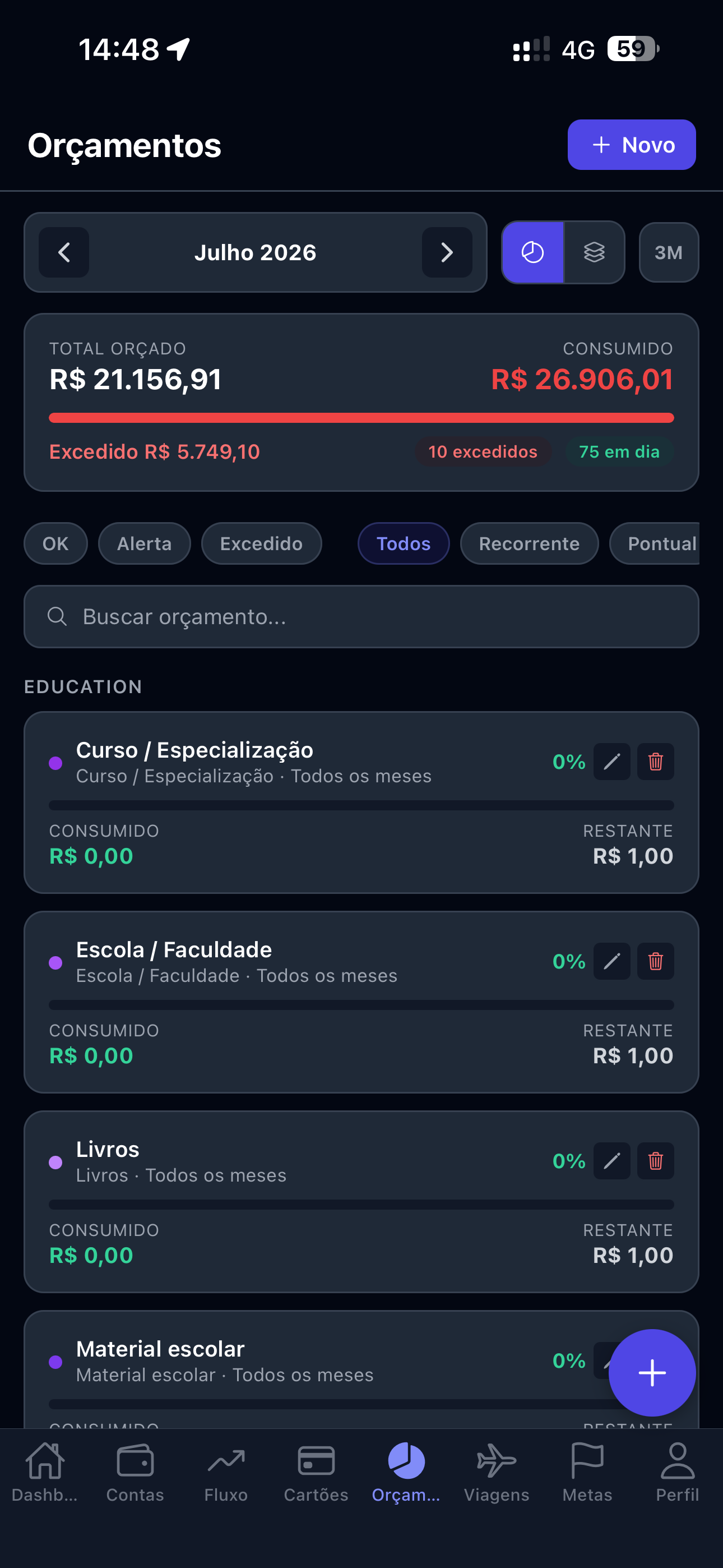
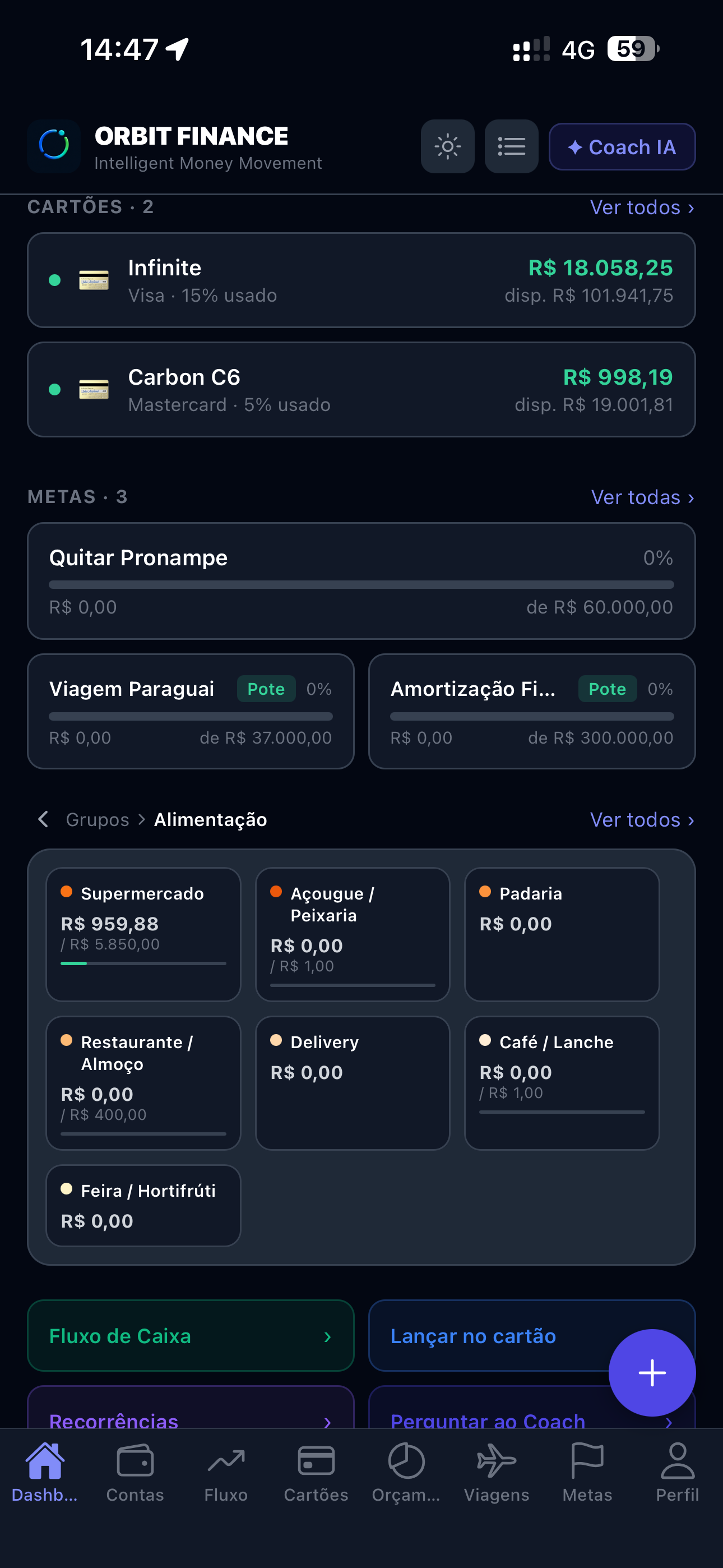
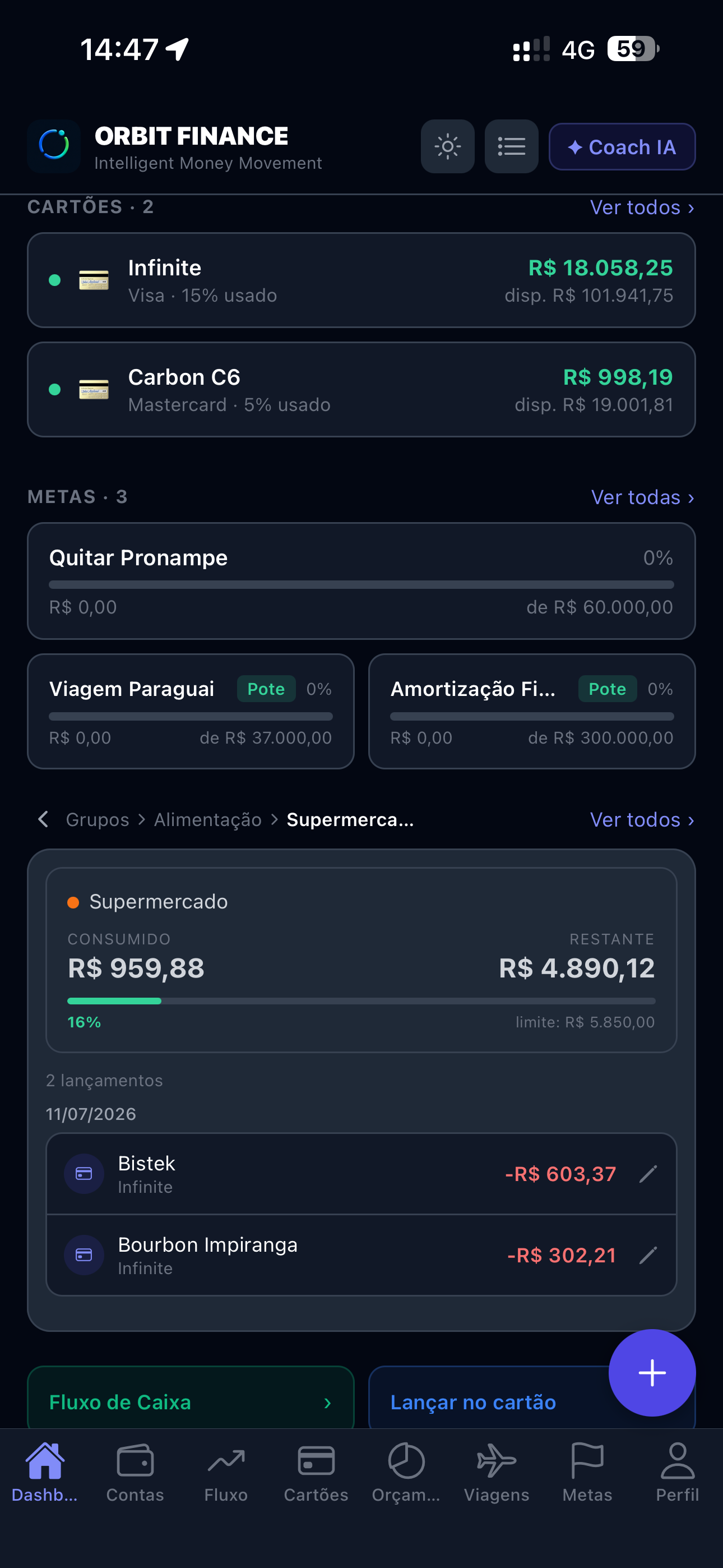
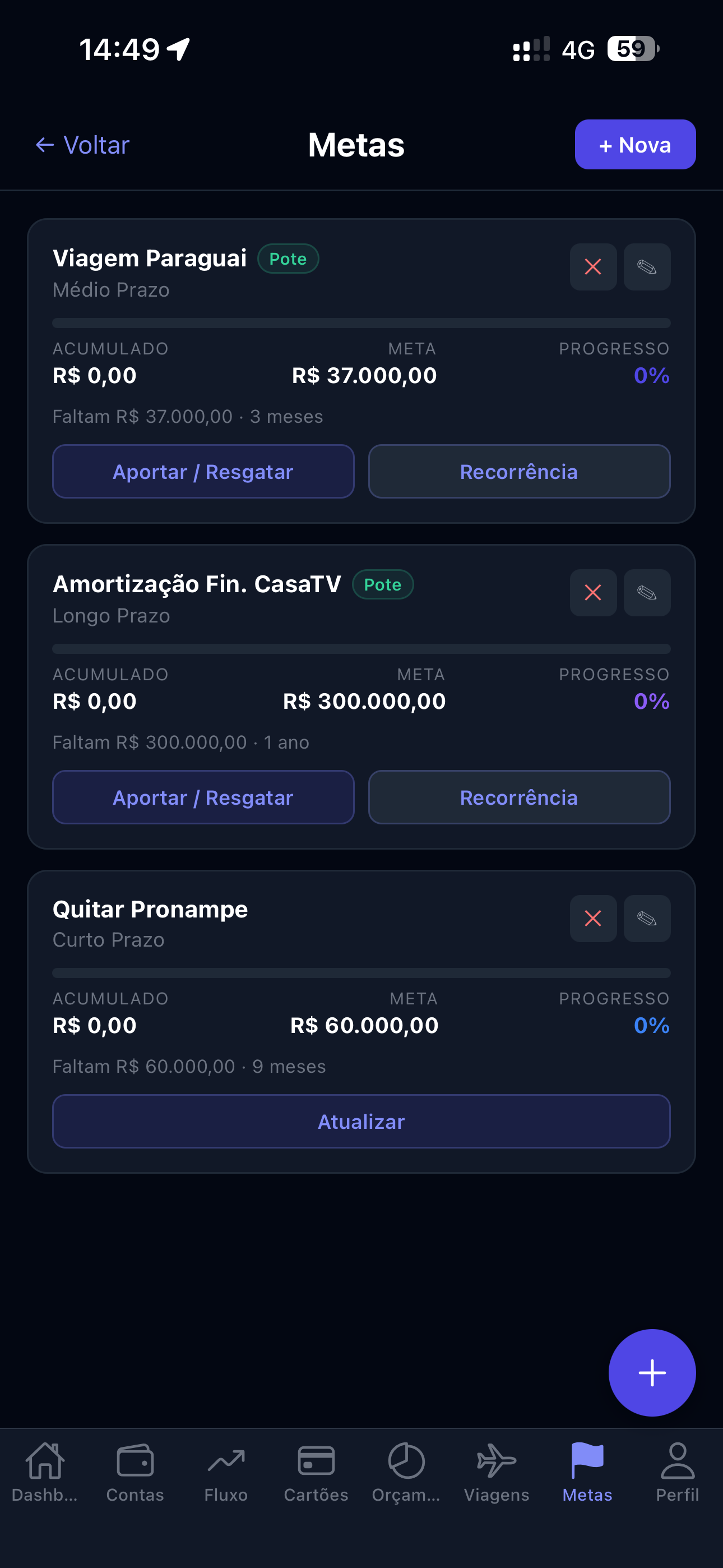
The fundamental question
People don't get into trouble because they spend too much. They get into trouble because they can't see ahead in time.
Your bank shows you today's balance. But it doesn't show that the bill is already committed, that the paycheck hasn't hit yet, that the travel reimbursement only arrives next month. There's money now — but there are also future obligations that haven't arrived yet.
The big question behind Orbit was simple and powerful: will I have enough money on the right day, in the right account, to cover everything already committed? It's a question about the future, not the past. And almost no financial app was trying to answer it.
The name and the thesis
All elements orbit around a single center
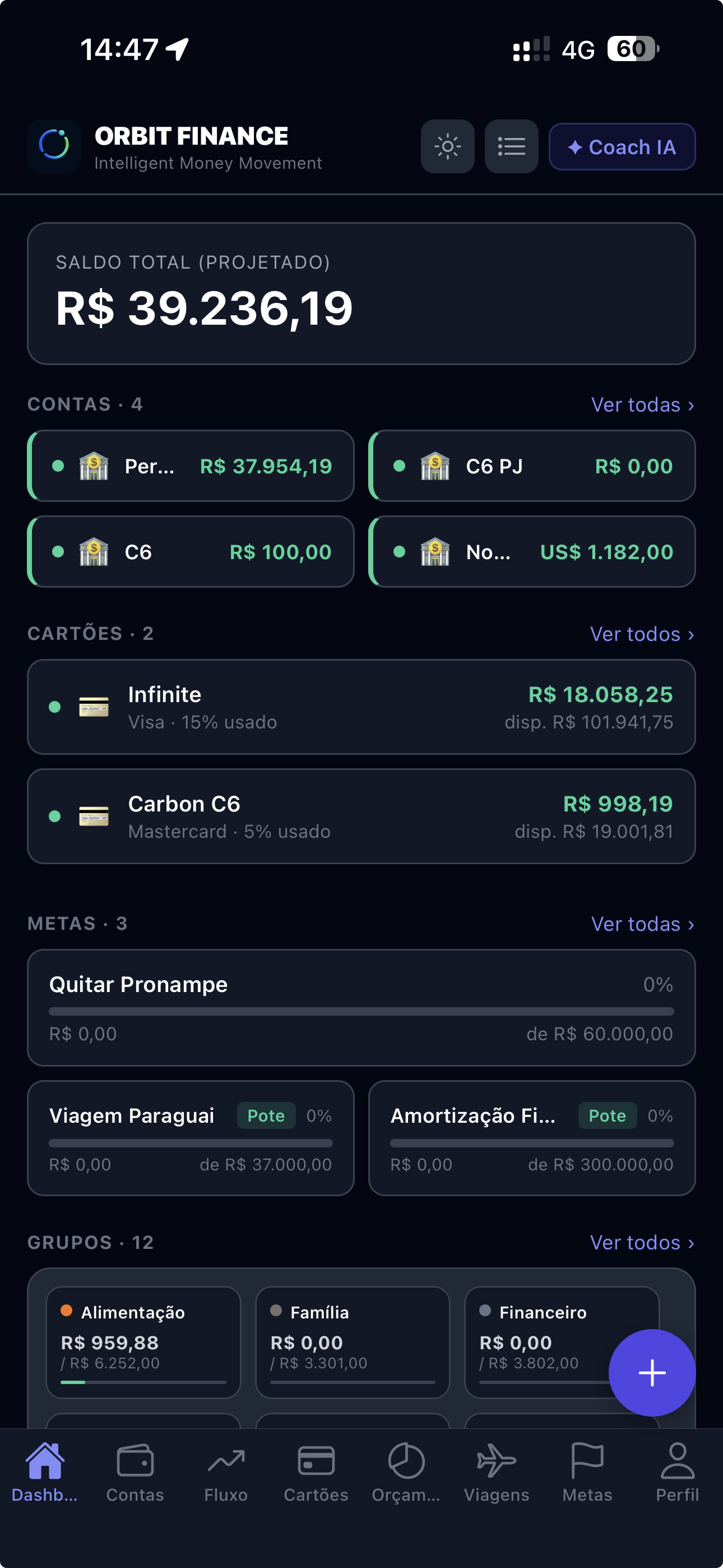
The name is not accidental. Accounts, cards, installments, recurring charges, reimbursements, loans, goals — all of this exists in parallel, but in traditional systems it's scattered, with no reference point. In Orbit, every element orbits around a single center: the future cash flow.
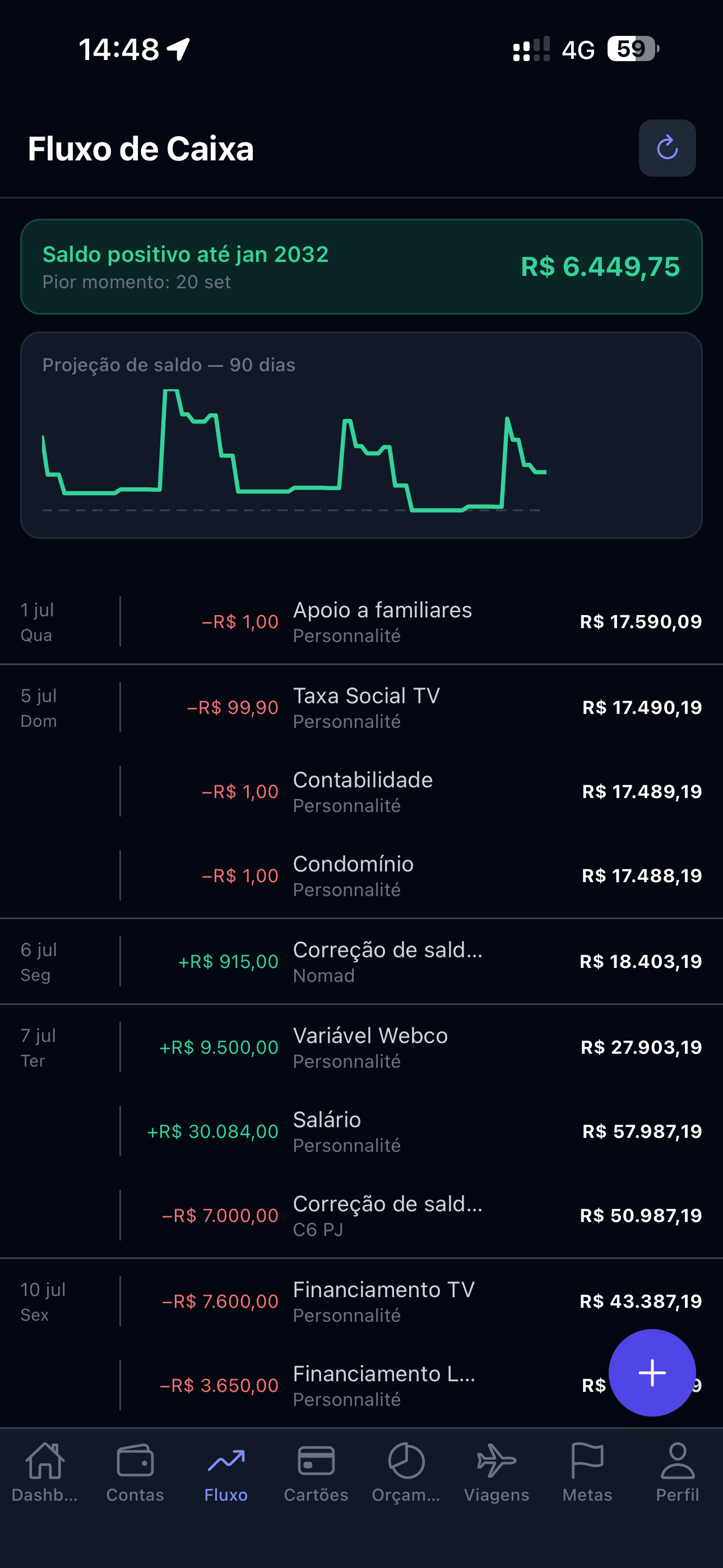
Budgets by category and spending reports are useful. But they're not the core. The core is the ability to see your financial position over time — the Liquidity Line, the lowest projected balance over the coming months — before the problem occurs. Not after.
The architecture
A transaction-based system looks backward. An event-based system looks forward.
A traditional transaction represents something that happened. A Financial Event represents something that happened, will happen, is recurring, is an installment, depends on a bill, or is part of a goal. Each event has a date, value, account and direct cash impact — and the rule is strict: entered, projected, reflected in cash flow.
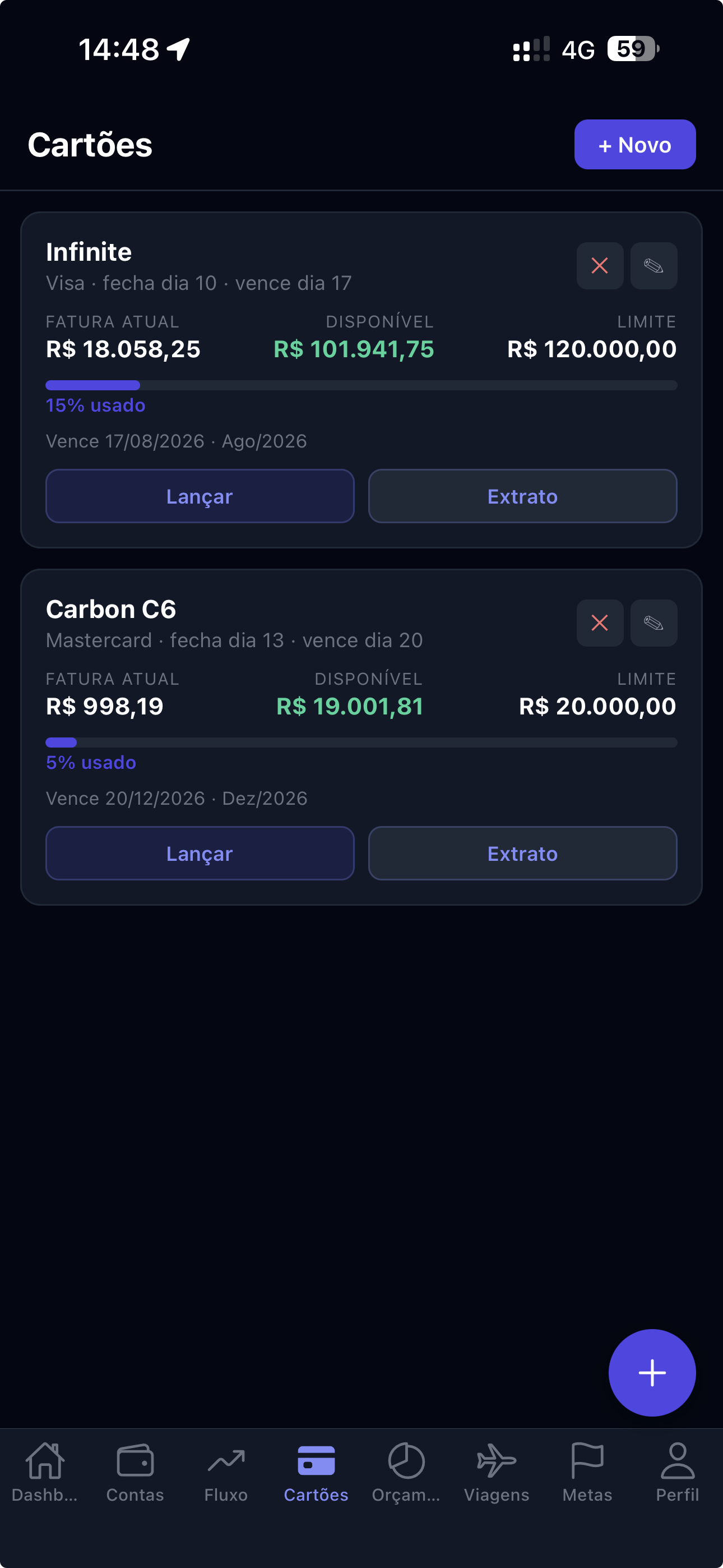
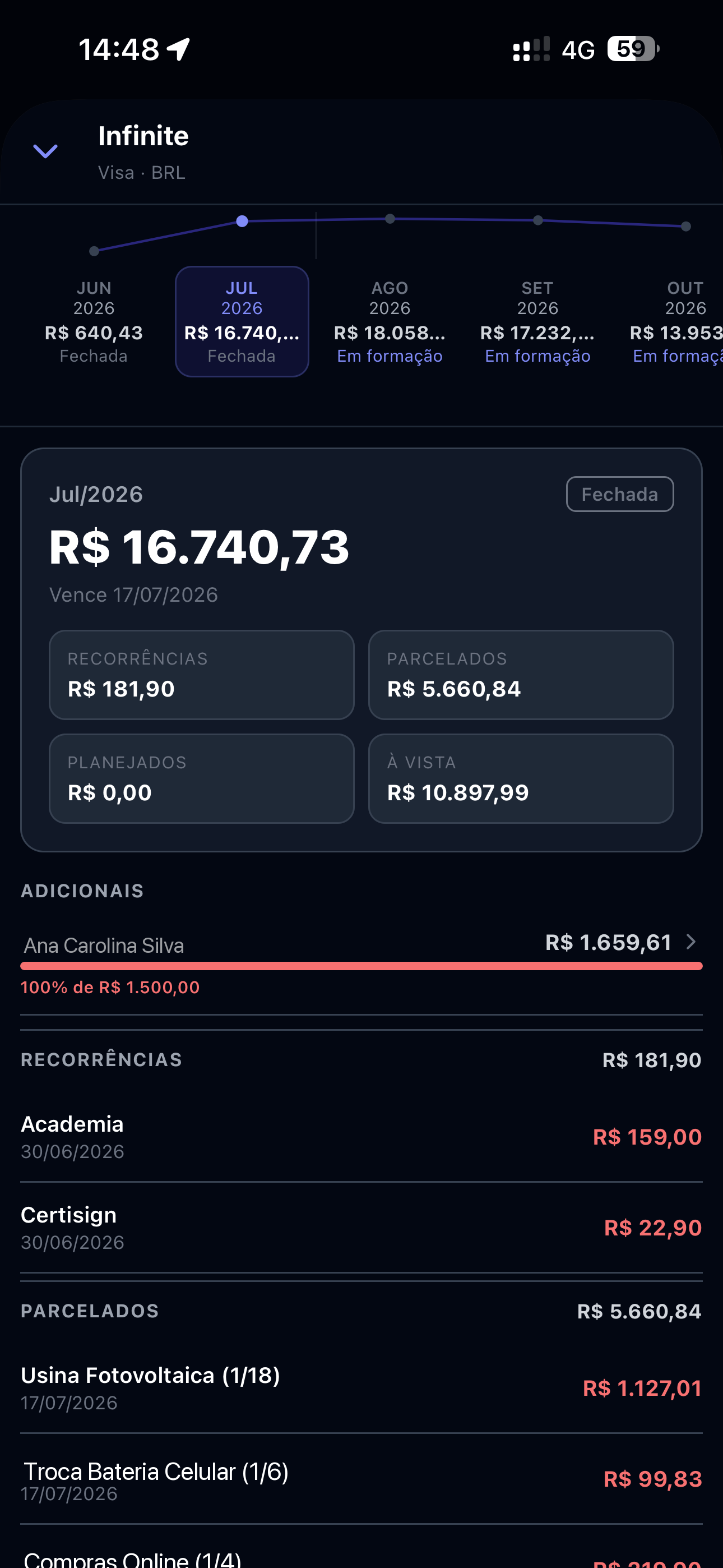
Cash flow is the master screen. The card view isn't just the total bill: it's the commitment item by item, month by month — each installment in the right billing period, each recurring charge on the exact day. It's the matrix view that previously only existed in a separate spreadsheet.
The vision
Without correct data, AI is just opinion. With correct data, AI becomes financial intelligence.
Orbit wasn't built to show where money went. It was built to show where money is going — and give the user time, clarity, and intelligence to make better decisions. Planning comes before the problem, not after.
On the horizon: AI that reads the user's real events and answers concrete questions — what will my lowest balance be in the next 60 days? Can I add this installment now? Which bill is putting the most pressure on my cash flow? That intelligence only exists if the data structure is reliable. That's why the architecture comes first.